经济学人|椒香四溢:川菜“麻辣”的秘密
Culture - World in a dish
04:04来自Maurice与英文阅读
播放
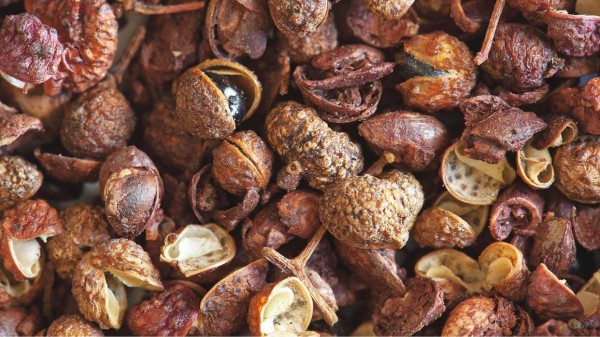
[1] “POLYSEMOUS” describes a word with several meanings, such as “run”, “set”, or, in the kitchen, “pepper”. That term encompasses the entire Capsicum annuum family, from vegetal green bell peppers to searing little Thai chillies. It includes dried, powdered Piperaceae berries, known as black and white pepper, as well as one of the strangest and most addictive spices in the world: Zanthoxylum simulans, more commonly known as Sichuan pepper.
“Polysemous”用来描述具有多种不同含义的单词,如“run”、“set”,或厨房用语“pepper”。术语“Pepper”囊括了所有一年生辣椒,从植物性的青椒到辛辣的泰国小辣椒。它不仅包含为人熟知的黑胡椒和白胡椒这类干粉状胡椒科浆果,还包括了世界上最奇妙和最令人上瘾的香料之一:野花椒,通常被称为四川花椒(以下简称“川椒”)。
[2] Whereas ordinary peppercorns grow on vines, Sichuan peppers are berries of the prickly-ash tree and part of the citrus family. They come in red and green varieties; the red has an earthily floral taste, where the green is more astringent. Their most pronounced feature, however, is not their flavor but their effect on the mouth: they contain a chemical called hydroxy-alpha-sanshool, which induces a tingling numbness in the lips and tongue, a bit like being subjected to a long but mild electric shock.
尽管普通胡椒粒生长在藤蔓上,但川椒是花椒树的浆果且部分隶属于柑橘属。川椒有红花椒和青花椒两个别类:红花椒带有泥土的清香,而青花椒则更为辛辣。然而,川椒最显著的特征不在于其味道,而在于它们对口腔的影响:川椒含有一种被称为羟基-α-山椒素的化学成分,它会引起嘴唇和舌头的刺痛麻木感,有点像经历了一次长时间但轻微的电击。
[3] As its English name suggests, the pepper is indispensable to the deliciously complex cuisine of Sichuan, a province in south-west China. Together with dried chillies it forms the flavor profile known as mala, a term made up of the characters for “numbing” and “spicy”. Anyone who has had the eye-watering, nose-running pleasure of eating shui zhu yu—poached fish in a sea of seething, peppery chilli oil—knows this sensation. In the West, kung pao dishes, a Sichuan speciality, tend to be oversweetened and bland; the real version sings, the zingy pepper set off by the mellow kick of black vinegar.
顾名思义,川椒是中国西南部省份四川在烹饪美味独特的料理时必不可少的香料。川椒与干辣椒一同构成了被称为“麻辣”的风味,“麻辣”由“麻味”和“辣味”两大特点组成。任何在品尝水煮鱼(在沸腾的、用川椒和辣椒爆油的底料中将鱼煮熟)这道菜时体验过涕泗横流之愉悦的人都知道“麻辣”的味道。在西方,川菜的特色宫保菜总是过于甜腻或淡而无味,真正的宫保菜则将川椒的鲜香与黑醋的香醇衬托的恰到好处。
[4] Less traditionally, dry-fried and then crushed with salt, Sichuan pepper can be a bracing topping for popcorn. Toasted and mixed with cumin and fennel seeds, dried chillies, anise, sugar and salt, it makes a spice rub that enlivens stir-fried potatoes. The lemony intensity pairs well with the austere richness of dark chocolate and the buttery blank slate of shortbread.
不太传统的做法是,川椒干炸后加盐碾碎可以作为爆米花的刺激配料。烘烤后的川椒与孜然、茴香粒、干辣椒、茴芹、糖和盐混合制成香料包,可以提升炒土豆的口感。柠檬的浓烈与黑巧克力的浓郁和黄油饼干的浓香构成了绝妙的搭配。
[5] A few peppercorns go a long way. Just as inexperienced barbecue cooks often ignite so much wood that they char their meat, pepper novices risk making diners’ heads vibrate for hours. Yet even when used in moderation, they remain, like anchovies or coriander, a divisive ingredient. Detractors wonder why anyone would want to anaesthetize their mouths while eating. There is no answer, really—no disputing tastes, as the maxim goes.
几粒花椒便能起到很大的效果。如同没有经验的烧烤师傅经常点燃太多木炭导致烤肉烧焦,花椒新手可能会让食客头皮发麻数小时。即便适量加入,花椒仍像凤尾鱼或芫荽那样是一种备受争议的食材。批评者想不通为何有人在吃饭时喜欢麻痹自己的嘴巴。这是无解的,正如老话所说:萝卜白菜,各有所爱。
[6] Sichuan peppercorns, however, are just one of an array of foods prized by gastronauts for the sensations they induce. The appeal of foie gras is partly its lush richness. Unripe guava, which often shows up on Thai tables, has a tannic, mouth-drying quality that balances fiery foods perfectly. Some cannot get enough of the jolting burn chillies produce; for others, the pain outweighs any pleasure. In “Love in the Time of Cholera”, one of Gabriel García Márquez’s characters munches asparagus for the resulting aroma of his urine.
然而,在老饕们因独特口感而为之倾倒的众多食物中,川椒只是其中之一。鹅肝的魅力部分在于其丰富的口感。在泰国餐桌上经常出现的未熟番石榴含有单宁酸且口感干涩,能与辛辣食物达成完美平衡。有些人对辣椒带来的灼热刺激感到欲罢不能;但对其他人来说,辣椒带来的痛苦远远超过任何愉悦。在《霍乱时期的爱情》中,加夫列尔·加西亚·马尔克斯笔下的一个角色为了知晓尿液的气味而大嚼芦笋。
[7] To sample any of these items is to expand your understanding of what food can do to you. They add more dimensions to the concept of taste. Inevitably, some prefer the familiar. Their loss.
品尝其中任何一种食物都能够拓展对于人与食物关系的理解。这些食物给“品味”一词增添了更多维度。有些人必然更钟爱于熟悉的食材,这是他们的损失。
---------------------------
文章来源:经济学人(The Economist), 2023.7.01-07, p. 72. 【中译文来自Maurice】
关注微信公众号"Maurice精读英文",后台回复 TE20230701 可获取本期杂志全文和音频。
举报/反馈
网址:经济学人|椒香四溢:川菜“麻辣”的秘密 https://m.mxgxt.com/news/view/2048772
相关内容
麻辣为什么有些人不爱吃辣椒?这和性格有关吗?四川人摇头否认
麻辣鸡块
麻辣鸡丝
麻婆豆腐:起源、演变与流传,品味川菜的传奇美味
四川德阳:川菜守正创新的探索实践
麻辣鸡
古蔺麻辣鸡
辣椒与泡菜
谢霆锋和S.H.E喜欢光顾的明星私房川菜[组图]
随便看看
最新实时动态
- 善有善报,小小善举,却为女儿留下活路 兰香如故·谭松韵·刘学义
- 一抹俏皮笑帅碎了呢
- 琴澳携手共创《新桃花源记》首演
- 马秋元生日会 现场玩游戏cut 好消息:位置都拼对了 坏消息:这真的是我吗?
- 听到卫峥称梅长苏为少帅,夏冬一脸懵,他竟是小殊!
- 病弱男孩一把剑,逼退魔头救全场
- 《兰香如故》原著里赵星棠的设定也太带感了!
- 孟廷辉殿试落榜,以为英寡记仇,不应该这么小气啊
- 预售票房仅5.9万,常远新片又扑街了,11年了他还在吃开心麻花老本
- 听了半天也没听出来是个啥bgm
热点实时动态
- 153543
- 25918
- 25826
- 24447
- 21328
- 20401
- 20102
- 19792
- 19756
- 19495